Scott 3200A Tailwheel – Fully Rebuilt: Heavy-Duty General Aviation Tailwheel Assembly
Scott 3200A Tailwheel – Fully Rebuilt: Heavy-Duty General Aviation Tailwheel Assembly
Blog Article
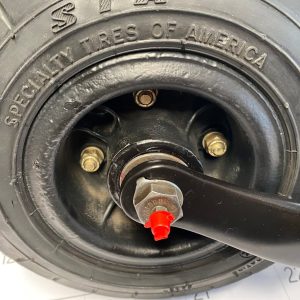
The Scott 3200A Tailwheel – Fully Rebuilt offers a dependable replacement option for suitable taildraggers requiring responsive steering, smooth swiveling, and reliable aircraft ground handling. The meaning of fully rebuilt should be supported by information describing disassembly, cleaning, inspection, measurement, lubrication, component replacement, reassembly, adjustment, and functional testing.
A correctly rebuilt Scott 3200A Tailwheel Assembly can support predictable steering when installed and adjusted properly on a compatible aircraft. A Scott Tailwheel Assembly can develop wear through repeated taxi cycles, landings, vibration, dirt exposure, moisture, poor lubrication, incorrect alignment, or unsuitable adjustment.
The Aircraft Tailwheel Assembly should remain properly aligned, lubricated, secured, adjusted, and compatible with the complete aircraft steering system. The General Aviation Tailwheel should be selected according to aircraft weight, tail load, wheel size, spring arrangement, steering configuration, runway environment, and installation requirements.
Whether the requirement is an Aircraft Tailwheel, Taildragger Tailwheel, Aviation Tailwheel System, or Tailwheel Steering Assembly, exact compatibility should guide the purchase.
Why Aircraft Owners Choose the Scott 3200A
Its established design makes it suitable for consideration in restoration projects, utility operations, bush flying, private ownership, and flight training. Maintenance personnel should inspect the complete tailwheel arrangement before concluding that one component is responsible for steering difficulty or shimmy.
Scott 3200A Tailwheel Assembly Features
Its mechanical configuration can support directional control during normal taxiing while allowing wider turning movement when required. A rebuilt unit may include inspected housings, renewed bearings, replacement bushings, serviced steering components, fresh lubrication, suitable hardware, and adjusted internal parts.
Evaluating a Rebuilt Scott Tailwheel Assembly
Final adjustment and functional testing should confirm that the Scott Tailwheel Assembly operates consistently. A freshly painted assembly may still contain worn bearings, weak springs, excessive clearances, or damaged steering components when no true rebuild was completed.
Aircraft Tailwheel Assembly Benefits
Correct mechanical condition supports predictable aircraft behavior on the ground. Weak, broken, or mismatched steering springs may reduce directional response or create irregular control.
General Aviation Tailwheel Reliability
Each operating environment places different demands on the tire, wheel, fork, bearings, steering mechanism, hardware, and lubrication. Vintage aircraft may require additional compatibility review because previous owners may have changed springs, chains, wheels, or mounting hardware.
Maintaining an Aircraft Tailwheel
The assembly remains part of a complete ground-handling system that also includes rudder control, brakes, main gear, and pilot technique. The wheel should rotate smoothly without excessive side play, roughness, binding, or abnormal drag.
Maintaining a Taildragger Tailwheel
Taildragger pilots coordinate rudder, brakes, power, and tailwheel input to maintain ground stability. Maintenance should address both ordinary wear and damage following unusual ground events.
Understanding an Aviation Tailwheel System
Every component influences how steering input reaches the wheel and how operational loads return to the aircraft. Steering chains or links should have suitable tension, symmetry, attachment security, and freedom of movement according to the aircraft configuration.
Maintaining a Tailwheel Steering Assembly
Springs, pawls, bushings, bearings, steering arms, and internal contact surfaces can influence steering response. Hardware should remain secure, correctly sized, and appropriate for the assembly.
Maintaining Aircraft Ground Handling Components
Reliable ground handling begins with a serviceable assembly and a correctly adjusted installation. The tailwheel should not be used as an unsuitable lifting, pulling, or jacking point.
Benefits of the Scott 3200 Series Tailwheel
A professionally rebuilt Scott 3200A can continue this design heritage while offering renewed mechanical condition. A visually similar tailwheel may contain important differences affecting installation or operation.
Heavy-Duty Aircraft Tailwheel Applications
A Heavy-Duty Aircraft Tailwheel may be considered for utility, bush, training, agricultural, work-oriented, or backcountry aircraft exposed to demanding ground use. Even a robust assembly can wear quickly when the tail spring, steering links, mounting bolts, or alignment are incorrect.
Inspecting Tailwheel Aircraft Parts
Replacement components should be selected through accurate identification and suitable technical references. Small wear items can have a significant influence on steering performance and service life.
Aircraft Tailwheel Directional Control
Consistent steering can reduce unnecessary brake use and improve maneuverability in confined locations. A complete review supports reliable Aircraft Steering Tailwheel performance.
Choosing a Replacement Aircraft Tailwheel
The removed assembly can provide useful measurements, markings, hardware details, and steering-arm orientation. The unit should not be installed solely because it appears clean or freshly refinished.
Choosing General Aviation Landing Gear Parts
Main-wheel alignment, brake condition, tire pressure, and airframe rigging can influence how a taildragger behaves on the ground. Known limitations and damage should remain clearly disclosed.
Scott 3200A Pre-Purchase Inspection
The seller should disclose which parts were replaced, which components were retained, and whether repairs or limitations remain.
- Request photographs of the front, rear, sides, wheel, fork, steering arms, mounting area, identification marks, and loose components.
- Review the rebuild summary for disassembly, cleaning, inspection, bearing replacement, bushing work, spring service, lubrication, hardware renewal, adjustment, and testing.
- Require packaging that protects the wheel, fork, steering arms, mounting surfaces, fittings, and loose hardware from impact and movement.
Commissioning a Rebuilt Scott 3200A
Every fastener and component should match the intended installation and remain properly secured. The steering linkage should respond properly without restricting rudder movement.
Testing should begin at low speed in a suitable area under safe conditions.
Scott Tailwheel Maintenance Guide
The rebuilt assembly should be inspected according to aircraft use, operating surface, maintenance requirements, and observed condition. Recurring shimmy or unusual tire wear should be diagnosed rather than addressed through repeated adjustment without identifying the cause.
Cleaning methods should avoid forcing dirt deeper into bearings, bushings, and internal steering components.
Buying a Fully Rebuilt Scott Tailwheel
For the correct installation, the rebuilt assembly can support directional steering, controlled swiveling, predictable taxiing, and long-term serviceability. The strongest check here purchase decision begins with confirming model identity, rebuild scope, replaced components, retained parts, structural condition, tire status, steering arrangement, included hardware, and aircraft compatibility.
Whether the aircraft operates from pavement, grass, gravel, dirt, private strips, utility fields, or backcountry airfields, the tailwheel should match the actual aircraft and operating environment. With transparent rebuild records, secure mounting, serviceable steering components, and careful taxi testing, the Scott 3200A can support predictable ground handling.
Report this page